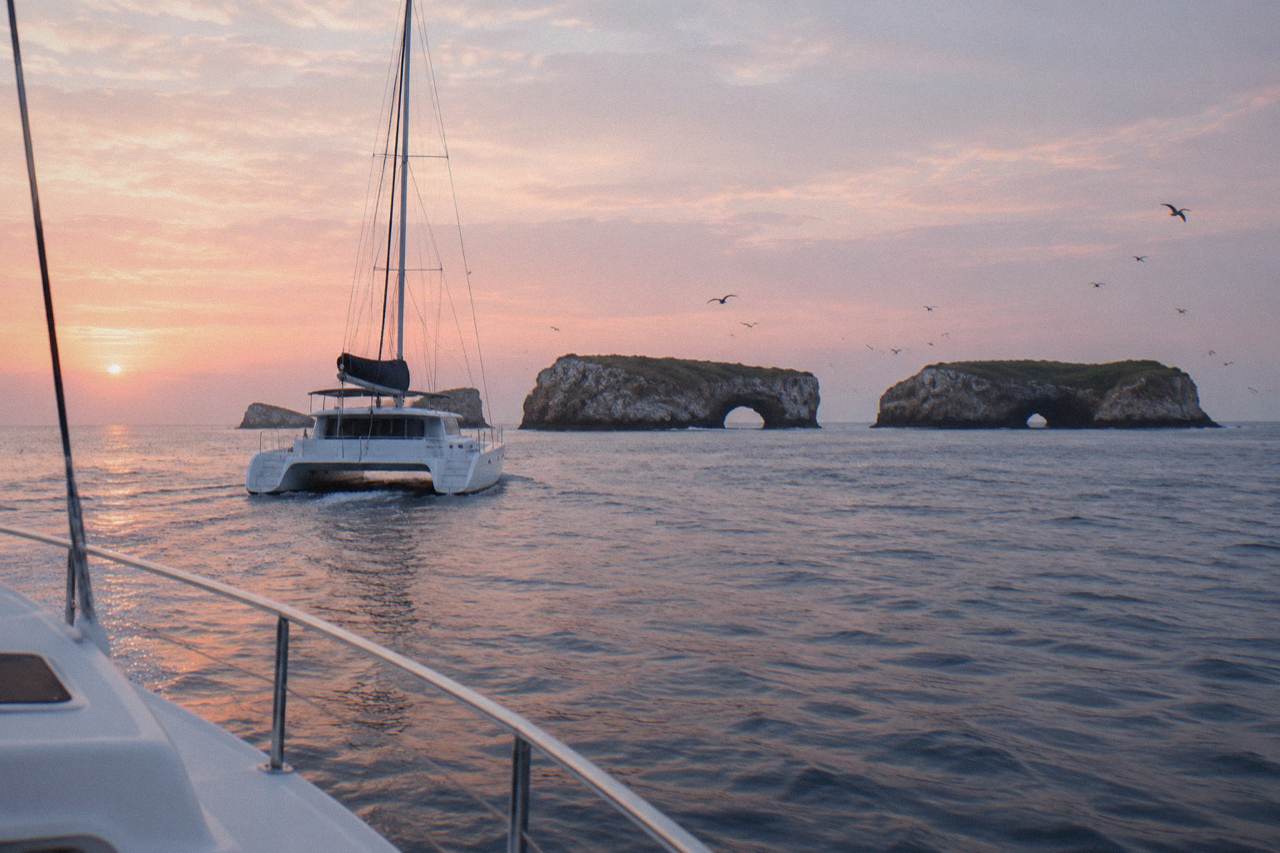
Is The Boat Ride To The Marietas Islands Rough?
A close look at the boat crossing to the Marietas Islands: what season, boat type and departure point mean for the ride, and who should plan for motion sickness.
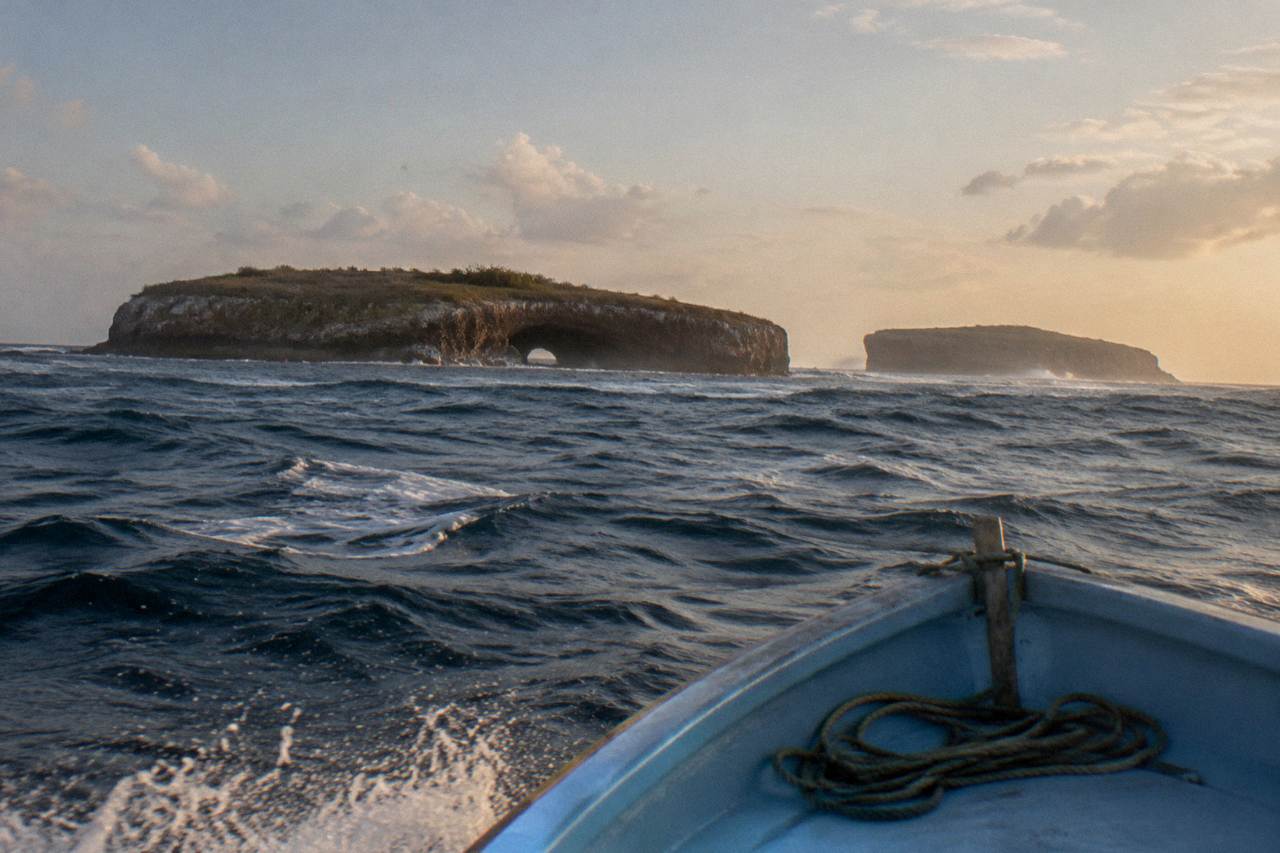
No swell or sea-state forecast is published for the crossing, so there is no simple yes-or-no answer. The park's own managing agency notes that some rainy-season days bring poor sea conditions and that tours can be cancelled for sea conditions. On any given day the ride depends on the weather, the boat type and how far your departure point sits from the islands, and the best a would-be visitor can do is pick the vessel and season that suit their stomach and let the operator make the final call.
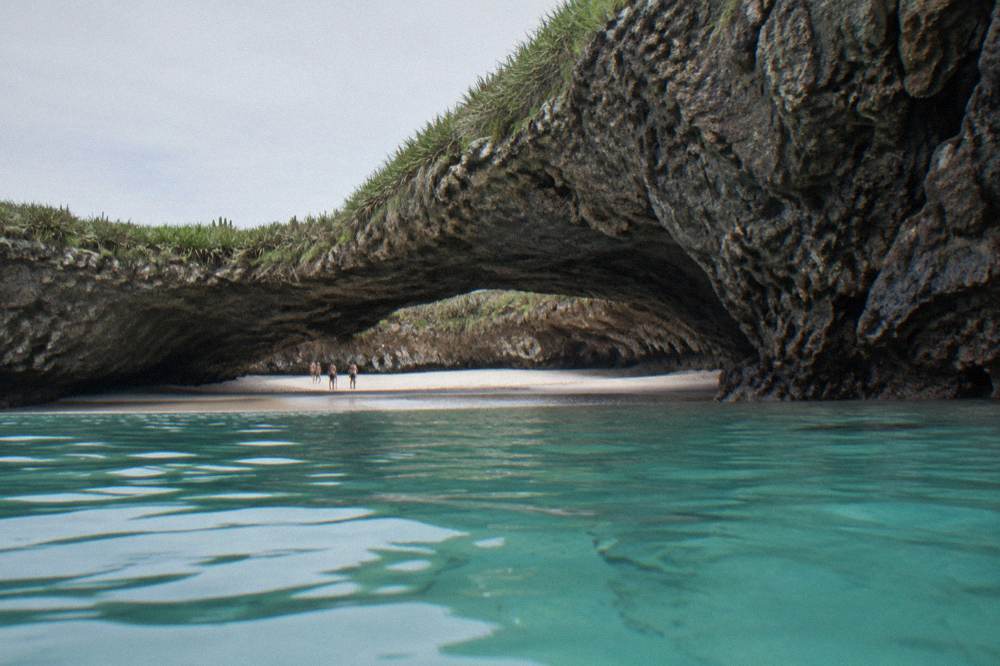
The question matters more here than on most boat trips, because the Marietas Islands sit offshore in open Pacific water at the mouth of Banderas Bay. Every visitor reaches them by boat with an authorized operator, so the crossing is not optional. What varies is everything else: whether you spend it on a 66-person catamaran with waterslides, an 8-person covered panga out of Punta de Mita, or a small sailing cat with a maximum of seven guests. Those are genuinely different rides even on the same day.
The Short Answer Is It Depends
On many days, no: crossings are routinely completed and reviewed positively. On some days, yes: the park agency itself warns that rainy-season days can bring poor sea conditions, and any tour can be cancelled when the sea does not cooperate. Guests report that the character of the ride changes with weather rather than with a fixed pattern, and operators hold the final word on whether boats go out. The condition of the ride is condition-dependent, not rough or calm.
There is a temptation in travel content to declare winter crossings flat and summer crossings lumpy. Neither is a safe claim. What is documented is narrower and more useful: CONANP, the agency that runs the national park, recommends visiting year-round and states plainly that in the rainy season there can be days with poor sea conditions. That is the only official seasonal sea-state statement available, and it is the one worth planning around.
The other documented fact is that the ride length is not the same for everyone. The park agency publishes distances from several departure points, and they differ by a factor of nearly four. A boat leaving Punta de Mita covers 9 kilometers, about 4.85 nautical miles, before it reaches the islands. One leaving Puerto Vallarta covers 34 kilometers, 18 nautical miles. No tour states a crossing time in minutes or hours, but the distance gap alone means a Puerto Vallarta departure spends substantially longer on open water than a Punta de Mita one, whatever the sea is doing that day.
For readers deciding between departure towns, the guide to Marietas Islands tours from Punta de Mita and La Cruz breaks down the small-boat side, while tours from Puerto Vallarta covers the bigger-boat options at the far end of that distance range. The roughness question and the departure question are really the same question, viewed from two angles.
Which Boat Type Should You Choose For The Crossing?
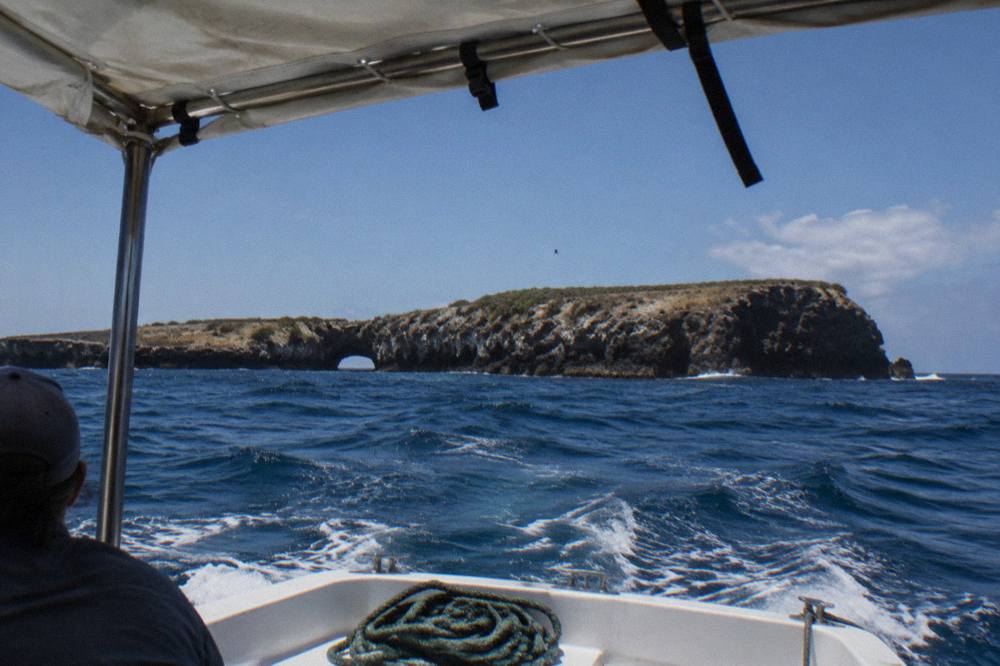
The right boat depends on your group size. Across these tours, the main difference between vessels is capacity: catamarans carry 40 to 100 guests, while the small covered boats out of Punta de Mita carry 8, meaning larger groups fit the catamarans and a party of eight or fewer suits the small boats. No tour claims its boat is smoother than another, and vessel types are not ranked by comfort, so the comparison is size, capacity and style of day, all from listing notes.
The full-day all-inclusive tour from Chica Locca Tours, from $130 per person and rated 4.8 from 771 reviews, states a maximum of 66 travelers and lists waterslides, paddleboards, kayaks and an open bar among its inclusions. That is the big-boat experience: six hours, a crowd, and a floating party platform that happens to end at a national park. The Altus Tours catamaran day, from $99 per person with no rating shown on its listing, caps at 75 travelers and lists a two-floor catamaran, dancing music and an open bar served only after the islands. The GoPralia sailing trip, from $99 per person with a 3.4 rating from 11 reviews, is the smallest of the three at a maximum of 7 travelers, a near-private sailing-cat format with a continental breakfast and deli-style lunch.
At the other end of the size scale, the Punta de Mita operators run covered boats capped at 8. The Grimar Adventures collective boat, from $67 per person, is the cheapest firm-priced option, and its sibling listing with a landing included runs from $157. Small boats serve a different purpose: they reach the islands over a shorter distance, carry fewer people, and in the case of the Shark's Tours listing with a landing included, from $157 per person, include the boat, gear and non-alcoholic drinks with a maximum of 8 guests. None of these listings promises a calmer ride, and this article will not imply one; capacity and style are the documented differences.
What Does Season Mean For The Crossing?
The documented seasonal facts are rain and temperature, not swell: June through September average 227 to 429 mm of rain and 15 to 21 rain days per month, while December through April average 4 to 37 mm and 1 to 2 rain days. The park agency links rainy-season days to possible poor sea conditions, and that is as far as any sourced statement goes. Any claim about which month has the flattest water would be invented.
The monthly table below gives the only quantified season data. Sea temperature comes from a secondary monitoring source and rain figures from long-run climate normals, so treat them as planning context, not a forecast.
| Month | Sea temperature (C) | Rain (mm) | Rain days | Season |
|---|---|---|---|---|
| December | 25.2 | 21 | 2 | Dry season |
| January | 24.5 | 37 | 2 | Dry season |
| February | 23.9 | 12 | 1 | Dry season |
| March | 23.9 | 4 | 1 | Dry season |
| April | 24.9 | 4 | 1 | Dry season |
| May | 27.4 | 18 | 2 | Dry season |
| June | 28.4 | 227 | 15 | Wet and hurricane season |
| July | 29.6 | 362 | 20 | Wet and hurricane season |
| August | 30.3 | 380 | 21 | Wet and hurricane season |
| September | 30.2 | 429 | 20 | Wet and hurricane season |
| October | 29.6 | 125 | 9 | Wet and hurricane season |
| November | 27.7 | 24 | 2 | Dry season |
Hurricane risk on this coast runs June to November, with the climate source noting a higher probability from August to October. The park page itself handles this simply: visit any time, but know that some rainy-season days will have poor sea conditions. The deeper dive on month choice, including how the whale window overlaps the dry months, is in the best time to visit the Marietas Islands, and the storm-season specifics are covered in whether tours run in hurricane season.
One seasonal note that does touch the water itself: reef-friendly sunscreen applied at least 30 minutes before entering the water is one of the park's eight official rules, and a life jacket is mandatory in the water. Neither makes the crossing smoother, but both shape the day once you arrive.
Who Should Take Motion Sickness Tablets Before Boarding?
Anyone who has reacted to boat rides before should plan for tablets, taken before departure rather than during the crossing, since that is standard practice for open-water trips everywhere and the Marietas crossing is open water for part of the way. There is no hard count of how often guests get seasick on these tours and no ranking of boats by stomach-friendliness, so the advice stays general.
Practical points worth weighing: a shorter total distance on the water, which on paper favors the Punta de Mita departures at 4.85 nautical miles against Puerto Vallarta's 18, means less exposure time if the sea is unpleasant. A bigger vessel with more deck space lets you move around, stand at the stern and watch the horizon, which is the classic remedy. Smaller boats put you closer to the water and, with only 8 seats, fewer places to shift position. Whether any of that outweighs a choppy morning is a judgment call nobody can make from a listing.
Timing matters too. Several Puerto Vallarta listings ask guests to arrive at the marine terminal in the morning, the Live & Travel Tours cruise's meeting-point text gives an 8:30 am arrival at the Puerto Mágico terminal, and morning departures are the norm. Taking a tablet with breakfast rather than at the dock fits that schedule. If you know you are prone, booking a product with a lenient cancellation line also helps: most tours on this site offer a full refund when cancelled at least 24 hours before start time, so a rough-looking forecast the day before is not a sunk cost.
The Vallarta Adventures BBQ lunch tour, from $79 per person and the most reviewed listing at 4.3 from 1,150 reviews, is worth naming for a different reason: its listing notes there is no dock at the locations it visits, guests jump off the boat and climb back aboard by metal ladder. That boarding style, not the crossing itself, is the physical demand several reviews mention. It is a good reminder that the roughness question does not end when the engine cuts.
What Do The Listings Say About Fitness, Age And Capacity?
Every listing sets its own limits, and they vary widely across tours: minimum ages of 6, 10 or 12 years apply, upper age limits of 64 or 65 cover beach entry, and group capacities range from just 6 travelers up to 100, so the exact requirements depend heavily on which specific tour you choose. These are per-listing rules, not park-wide ones, and they are the closest documented proxy for how demanding each trip is. The table below pulls the numbers straight from each listing's own notes.
| Tour | From price | Capacity stated | Listing fitness and age notes |
|---|---|---|---|
| All Inclusive, 6 Hours (Chica Locca Tours) | $130 per person | 66 max | Infants on laps; minimum drinking age 18; drones prohibited |
| Catamaran Day, 8 Hours, Meal (Altus Tours) | $99 per person | 75 max | Not recommended for back problems, heart conditions or pregnancy |
| Sailing Trip, 7 Hours, Meal (GoPralia) | $99 per person | 7 max | Not recommended for back problems, heart conditions or pregnancy |
| Optional Hidden Beach, Snacks Included (Eco Explorer Vallarta) | $99 per person | 16 max | Moderate fitness; beach entry ages 10 to 65; pregnant travelers not allowed |
| Naturalist Guide, Snorkel, Box Lunch (Ecotours Vallarta) | $133 per person | 10 max | Strong fitness; kids under 8 not allowed; beach entry ages 10 to 65, 10-minute visit |
| Grimar Hidden Beach Entry, 3 Hours (Grimar Adventures) | $157 per person | 8 max | Moderate fitness; ages 10 to 64; no footwear, bags or food on the beaches |
| Collective Boat, 2 Hours 30 Minutes (Grimar Adventures) | $67 per person | 8 max | Moderate fitness; no age limits stated |
Read the capacity column as the boat-size story it is. A 100-traveler BBQ cruise, a 66-traveler catamaran and an 8-traveler covered panga are physically different vessels, and listing notes about fitness refer mostly to swimming, ladders and the Hidden Beach tunnel rather than to the ride out. The Ecotours Vallarta 5-hour listing is explicit that visitors must be comfortable swimming about 250 meters from the boat for the beach route, and the sightseeing listing states a swim of about 60 meters through the rocky passage, both attributed to those listings alone.
For travelers with mobility concerns, only one tour, the Punta de Mita "Hidden Beach, All Fees Included" trip from $156 per person, is marked wheelchair accessible; most others state the opposite. The full breakdown by traveler type, including kids and non-swimmers, is in visiting the islands with kids and non-swimmers.
The collective boat out of Punta de Mita, from $67 per person and rated 4.9 from 32 reviews, is the shortest firm-priced product at 2 hours 30 minutes, which simply means less time afloat, not a smoother one.
Which Departure Point Means The Least Time On The Water?
By the park agency's official distances, Punta de Mita is closest at 9 km, followed by La Cruz de Huanacaxtle at 11.84 nautical miles, Sayulita at 12.68, Nuevo Nayarit at 15.96 and Puerto Vallarta at 34 km. No tour departs from La Cruz, Bucerias or Sayulita, so in practice the choice is Punta de Mita's piers against Puerto Vallarta's marinas and the Nuevo Vallarta pier.
| Departure point | Official distance to the islands | Tours departing from here |
|---|---|---|
| Punta de Mita | 9 km (4.85 nmi) | About ten listings, all small boats, 2 hours 20 minutes to 4 hours |
| Nuevo Nayarit / Nuevo Vallarta | 15.96 nmi | Paradise Village pier departures, 6.5 to 7 hours |
| Puerto Vallarta (Marina Vallarta, Puerto Mágico, Los Peines) | 34 km (18 nmi) | The catamaran and full-day cruise fleet, 3.5 to 9 hours |
This is where the roughness question gets a partial answer. A Punta de Mita boat is not described as riding more gently, but it spends less time exposed, and several of its listings are the shortest tours. Shark's Tours' listing with the beach landing included, from $157 per person and rated 4.8 from 161 reviews, is a 3-hour trip for a maximum of 8 guests that includes gear, a life jacket, non-alcoholic drinks and a waterproof container for your phone.
From Puerto Vallarta the trade reverses: more hours on the water, but the bigger vessels and the full-day formats live there. The Live & Travel Tours all-inclusive cruise, from $87 per person, runs 9 hours with breakfast, an open bar and a maximum of 40 travelers. The featured Eco Explorer Vallarta snorkel tour, from $99 per person and rated 4.8 from 1,033 reviews, departs Marina Vallarta with a maximum of 16. Both are profiled with their meeting points in the guide to the Marietas crossing and ride times.
No tour states that hotel pickup is offered, and several state it is excluded, so whichever departure you choose, plan to reach the pier yourself.
What Happens If The Sea Is Too Rough To Go?
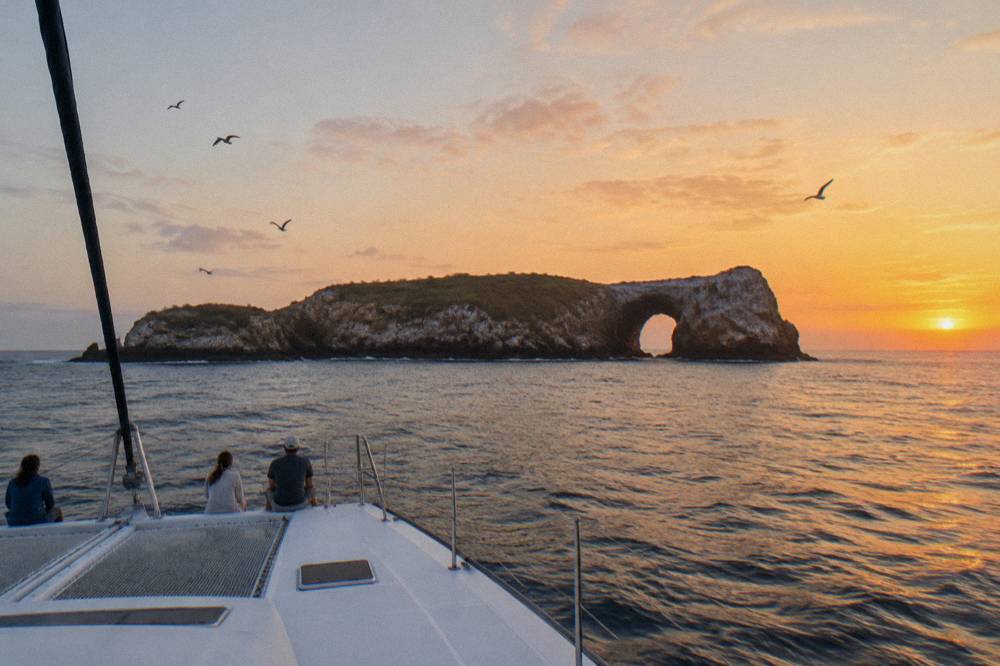
If the sea is too rough, tours can be cancelled for sea conditions, and what you get back is governed by the cancellation line in each individual listing. Most operators offer a full refund when you cancel at least 24 hours ahead, but the exact terms always come from the listing itself. Beyond that, guests report that when the Hidden Beach tunnel is not reachable, boats redirect to snorkeling rather than turning for home. No cancellation tallies are published.
The 24-hour refund line appears verbatim on the Chica Locca, Altus, GoPralia, Vallarta Adventures, Eco Explorer, Ecotours Vallarta, Grimar and Shark's Tours listings. One listing, the small-group Vallarta Extreme product, simply states the experience requires good weather. That is the whole documented picture: weather holds the veto, and the money terms are per listing.
For the park rules that apply once you do get out there, including the CONANP conservation wristband at MXN 125 per person per day, the eight visitor rules and the 2016 reopening rules that still frame Hidden Beach access, see the park fee and wristband guide and the Hidden Beach rules and closure days explained. The beach site is open Wednesday to Sunday, 8:00 to 17:00, closed Monday and Tuesday along with the park proper on Monday, so even a perfect sea cannot get you onto Playa del Amor on those two days.
Planning around all of this is what the official CONANP park page exists for, and the 2016 reopening notice remains the last primary text spelling out the beach-entry caps.
So, is the ride rough? Sometimes, on some days, on some boats, and the people who enjoy the day most are the ones who matched the vessel to their stomach, the season to their schedule, and left the final call to the operator.
Common Questions About The Marietas Islands Boat Ride
Which Boat Is Better If I Get Seasick?
Vessels are not ranked by comfort. The documented differences are capacity, 66 to 100 on catamarans versus 8 on Punta de Mita covered boats, and distance, 4.85 nautical miles from Punta de Mita versus 18 from Puerto Vallarta. Less time afloat and more deck to move around on are the practical levers.
Does The Season Change How Rough The Crossing Is?
The documented seasonal facts are rain, not swell: June through September average 227 to 429 mm of rain with 15 to 21 rain days, while December through April average 4 to 37 mm with 1 to 2 rain days. CONANP links rainy-season days to possible poor sea conditions and recommends year-round visits.
Is The Crossing From Punta de Mita Shorter Than From Puerto Vallarta?
Yes, by official distance: Punta de Mita sits 9 km from the islands, Puerto Vallarta 34 km. No listing states a crossing time, but the distance gap means substantially longer exposure from Puerto Vallarta on the same day.